About
Design that expands
how people live
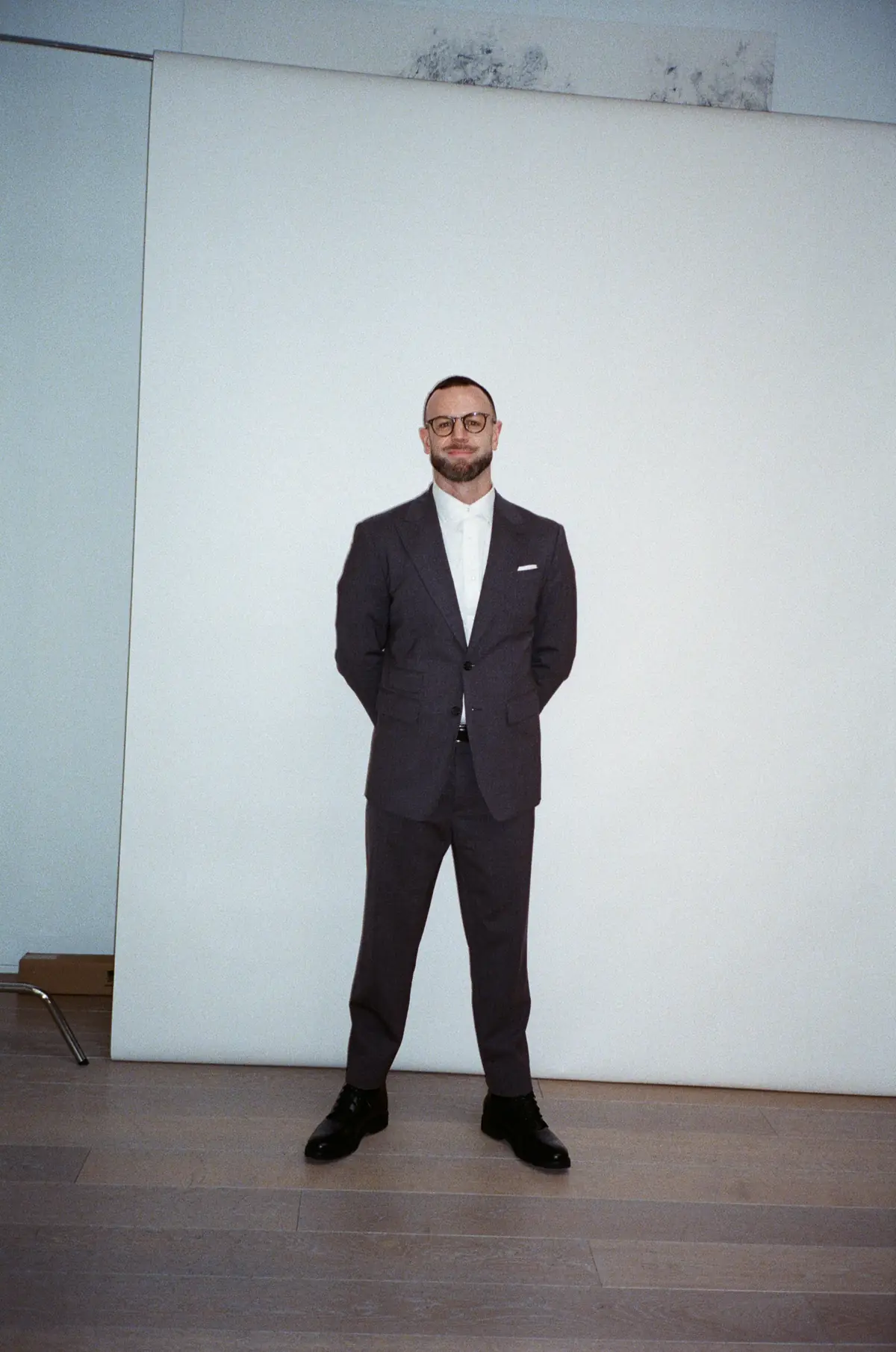
Michael Murphy spent two decades working alongside some of the world's best industrial and interior designers. Facility is what happens when that experience meets a more personal need.
About
Michael Murphy spent two decades working alongside some of the world's best industrial and interior designers. Facility is what happens when that experience meets a more personal need.
At Herman Miller, Michael was immersed in design thinking that matched aesthetic appeal with ergonomic purpose. The best designs expanded capability. A chair that kept someone comfortable enough to think clearly, a system that let a team reconfigure their space as their work changed.
Then across luxury brands and retail environments where design was mostly in service of desire, he learned that the objects people live with every day can either diminish or expand how they experience the world.
The ability for design to have impact beyond aesthetics, and the need for it as people age, came to him through personal experience. His mother's knee replacement surgery, a father-in-law's dementia, and a spinal surgery that had him learning to walk again in his thirties.
Watching someone he loved navigate a home that was slowly working against them, he started looking for solutions that didn't ask people to trade their identity for their safety.
Why shouldn't the things needed to support you through life be objects of beauty you enjoy?
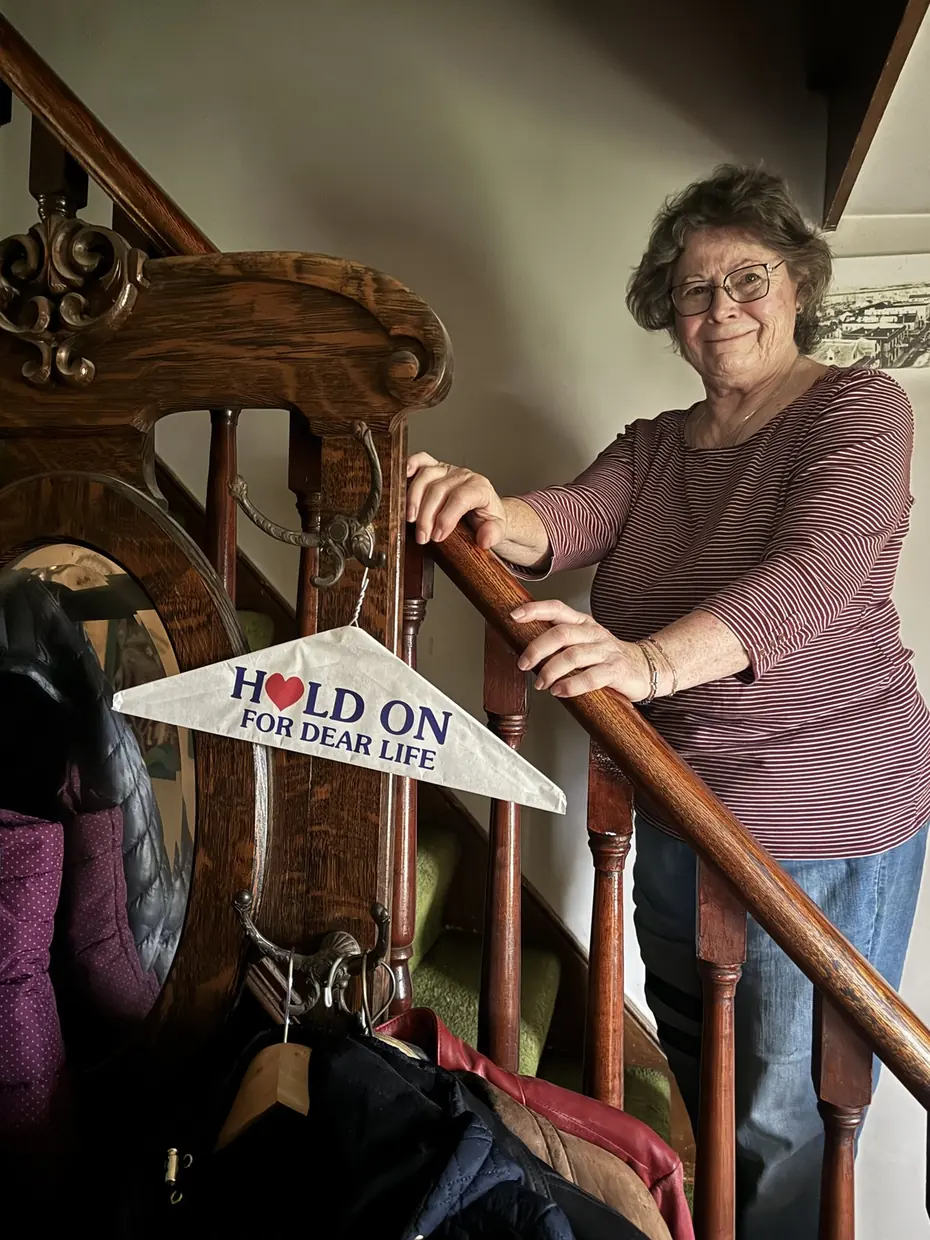
When he discovered De Hogeweyk, a village in the Netherlands designed entirely around people living with severe dementia, he saw an approach that didn't take a clinical path but did take a human one. Not a facility. Not a ward. A place where rooms recalled the eras residents had loved, where the streets felt familiar, where dignity was designed in from the start.
They refused to build only for worst-case scenarios
The team there made a deliberate choice. A resident might trip walking to the village store. They might get confused in the rain. The designers decided that the dignity of choosing how to live was worth more than the safety of removing every risk.
Vision for Facility
Purposeful design should expand how people live, not just protect them from every possible worst-case outcome
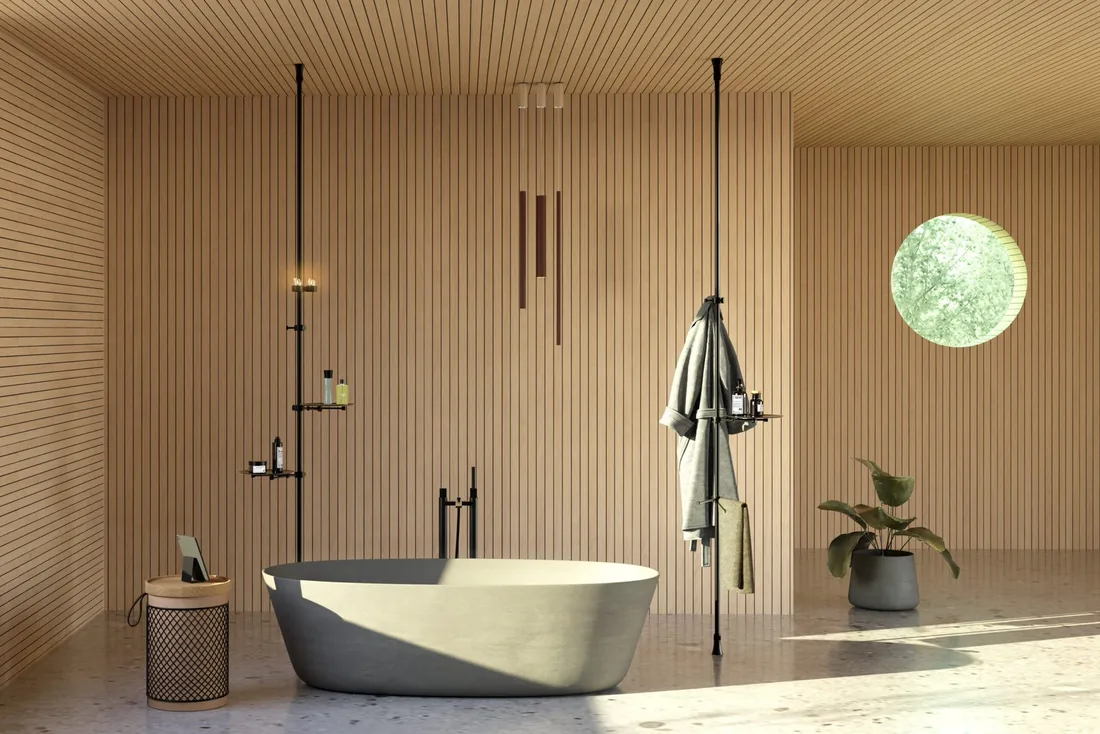
That idea is the foundation of how Facility approaches an adaptable home. We aim to bring products and services to the market to remove the stigma and compromises that typically come along with functional support.
What Facility does
What Facility doesn't do